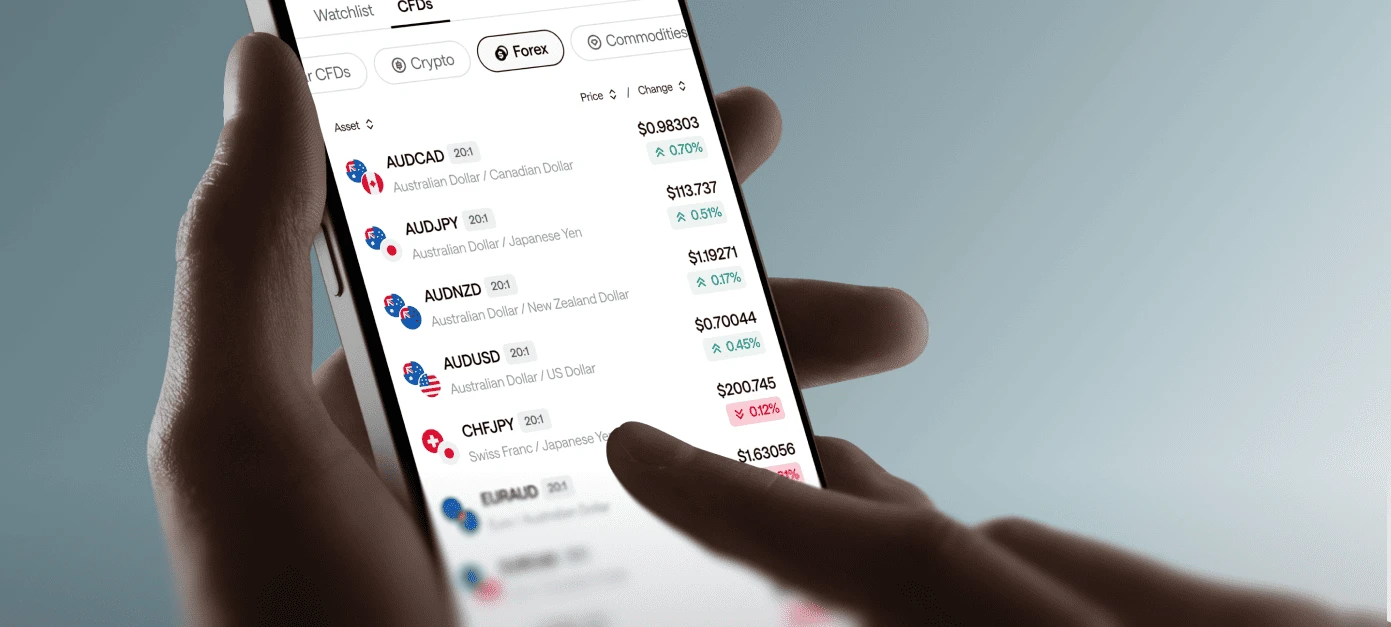
One of the most important aspects of trading forex is understanding currency pairs. There are a number of different types of currency pairs including majors, minors, and exotics.
Exotic currency pairs differ from the major pairs because they don't have as much liquidity as others on the market. However, there are some exotic currencies that are worth trading for their unique price action and strategies.
Exotic currencies are often associated with emerging market economies. They can offer exciting opportunities in forex trading because they have the potential for higher returns than other currencies but there are also risks associated with trading them.
This guide explains how exotic pairs differ from majors and minors, lists 20 examples and shows what to check before placing a forex CFD order.
What is a currency pair?
A currency pair shows the price of one currency in another. The first is the base currency and the second is the quote currency. For example, if GBP/USD is quoted at 1.25, one British pound is worth 1.25 US dollars.
Major currency pairs in forex
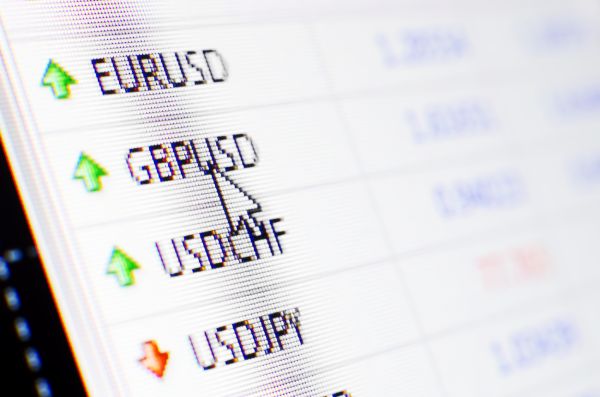
Major currency pairs are the most traded in the forex market because of their popularity and higher liquidity. These currencies have large economies and as a result, these pairs may be more liquid than other types of exotic currency pairs that do not share liquidity with major pairings and have the lowest spreads. While there are eight major currencies, there are only seven major pairs. Any pair containing one of the major currencies and the US Dollar is a major forex pair.
- EUR/USD
- USD/JPY
- GBP/USD
- USD/CHF
- USD/CAD
- AUD/USD
- NZD/USD
Minor currency pairs in forex
Minor currency pairs are the second most traded in the forex market, and are sometimes referred to as 'crosses'. These currencies have less liquidity than major currency pairs and as a result, traders will often make more forex trades with minor currencies to reduce trading costs. Minor pairs include the major currencies which don't include the US Dollar. The most traded minor pairs include the Euro, Japanese Yen, and British Pound.
- EUR/GBP
- EUR/JPY
- GBP/JPY
- AUD/JPY
- EUR/AUD
- AUD/NZD
- NZD/JPY
What is an exotic forex pair?
Exotic currency pairs are generally less liquid and less heavily traded than major and many minor pairs. These pairings include the combination of one of the 8 major currencies and a currency from a developing or emerging economy. There are also many popular exotic pairs amongst traders that are exotic vs exotic, such as NOK/TRY or TRY/RUB.
Exotic forex pairs can provide you with an opportunity to diversify your trading. Exotic currencies have a higher level of volatility, which increases the risk of trading them, but also offers the chance of finding trading opportunities should there be none in the major FX pairs. Further, emerging market currencies offer a higher level of interest rate, which can make them attractive for carry trades.
As an example, an exotic currency pair would be formed with a combination of an exotic currency, such as the South African Rand (ZAR) or Swedish Krona (SEK), paired with a major currency, such as the Euro (EUR) or US Dollar (USD). These pairs can also feature an exotic against an exotic, such as the Turkish Lira (TRY) and Singapore Dollar (SGD).
List of exotic currency pairs
The table lists 20 selected exotic forex pairs, starting with AUD/SGD and other Asia-Pacific examples. Where available, the daily reference rate shows how many units of the second currency equal one unit of the first. Check the AU product schedule and your trading platform for instrument availability and trading conditions.
| Exotic pair | Currency names | Daily reference rate |
| AUD/SGD | Australian dollar / Singapore dollar | 0.8543 |
| SGD/JPY | Singapore dollar / Japanese yen | 123.20 |
| USD/CNY | US dollar / Chinese yuan | 6.6647 |
| USD/SGD | US dollar / Singapore dollar | 1.2912 |
| USD/HKD | US dollar / Hong Kong dollar | 7.8409 |
| USD/INR | US dollar / Indian rupee | 92.9148 |
| USD/IDR | US dollar / Indonesian rupiah | 18,221.90 |
| USD/KRW | US dollar / South Korean won | 1,348.85 |
| USD/THB | US dollar / Thai baht | 34.0452 |
| CHF/SGD | Swiss franc / Singapore dollar | 1.5376 |
| USD/MXN | US dollar / Mexican peso | 19.2456 |
| USD/BRL | US dollar / Brazilian real | 5.9979 |
| USD/ZAR | US dollar / South African rand | 17.5074 |
| USD/TRY | US dollar / Turkish lira | 50.5901 |
| USD/PLN | US dollar / Polish zloty | 4.0761 |
| USD/CZK | US dollar / Czech koruna | 22.3558 |
| USD/NOK | US dollar / Norwegian krone | 9.8076 |
| USD/SEK | US dollar / Swedish krona | 10.2729 |
| EUR/HUF | Euro / Hungarian forint | 372.28 |
| EUR/PLN | Euro / Polish zloty | 4.4588 |
Rates shown are daily reference rates, not real-time or executable trading prices. Where a rate is shown for a pair offered as a rolling non-deliverable forward (NDF), it is a spot reference rate, not an NDF quote. A dash means no rate is displayed.
What should you check before trading exotic currency pairs?
Most of the emerging market currencies have things in common. They are quite sensitive to changes in US interest rates & expectations, and to general risk appetite (e.g. in a risk-off environment, traders and investors will generally favour the safe haven currencies and move out of emerging market currencies).
One other thing to keep in mind when trading exotics is that they are far less liquid than majors and have higher volatility too. According to the BIS Triennial Central Bank Survey for April 2025, major pairs like EUR/USD account for 21.2% of daily global forex turnover. In contrast, even highly traded exotic pairs like USD/MXN, USD/BRL or USD/TRY typically account for only 1% to 2% of daily volume.

How to trade exotic currency pairs
Exotic currency pairs can be traded through any broker. When creating a live trading account with Axi, you get access to over 40 currency pairs to trade.
Steps to open a trade on an exotic forex pair
- Create a demo account or open a live forex trading account.
- Sign in to the trading platform available for your account.
- Search for the pair and confirm the symbol, spread, trading hours and contract specifications.
- Open the order ticket. Enter the trade size and select a market or pending order. For a pending order, enter the intended entry price.
- Add a stop-loss or take-profit level if it is part of your trading plan. A stop-loss does not guarantee the price at which the position will close.
- Review the symbol, direction, size and order details before submitting. Check the platform to see whether the order filled or is still pending.
Use the prices on your trading platform to assess an order. A reference exchange rate is not an executable CFD quote.
Examples of exotic currency trading strategies
The holding period changes which costs and risks matter most. Short-term trades are particularly sensitive to spreads and slippage, while longer positions can accumulate overnight financing costs and remain exposed to policy changes.
Day Trading
Day traders trade positions within the day and don’t typically hold positions overnight. They also require generally fast execution and low commissions to make a profit from their trades which can sometimes result in a loss.
Read also: What is day trading and how to day trade?
Swing trading
Swing traders typically hold positions for several days or weeks. As well as looking at price trends, they may track central bank announcements and economic releases. Overnight costs and gaps between sessions are also relevant.
Read also: What is swing trading and how to swing trade?
Position trading
Position traders may hold for months or longer. Interest rate expectations and policy changes can matter more over this time frame, but financing costs can also accumulate throughout the holding period.
Pros and cons of trading exotic currency pairs
What makes exotic pairs different?
- Different currency exposure: A pair such as AUD/SGD gives exposure to a different exchange rate from AUD/USD. Adding another pair does not automatically diversify a portfolio, especially when positions share a currency.
- Different market drivers: Local economic data and policy decisions can move an exotic pair even when a major pair is relatively quiet. Larger moves can work against a position as readily as in its favour.
What are the risks?
- Less liquidity: With less money moving around an exotic currency pair, the harder it will be for you to enter and exit a trade at the price you want.
- High spreads: More capital might be required to trade exotics to compensate for the higher spreads.
- Volatility: The increased volatility as mentioned above can be good but also bad, with high risk and the chance to suffer more losses.
- Devaluation risk: Exotics can be prone to big shifts when governments change policies without warning. Central banks or market events can rapidly depreciate a developing country's currency.
Which brokers offer exotic currency pairs?
Availability varies by broker, account and platform. If you want to trade majors and exotics with the same broker, check its instrument list for the exact symbols you want, then compare trading hours, typical spreads, commissions, margin and overnight financing. The total number of forex pairs does not tell you whether a particular instrument is available or what it costs to trade.
For Axi, start with the AU product schedule and confirm the instrument on your trading platform.
Read also
The weakest and least valuable currencies in the world
The highest and strongest currencies in the world
The most volatile and liquid forex pairs
The largest economies in the world
This information is not to be construed as a recommendation; or an offer to buy or sell; or the solicitation of an offer to buy or sell any security, financial product, or instrument; or to participate in any trading strategy. It has been prepared without taking your objectives, financial situation, or needs into account. Any references to past performance and forecasts are not reliable indicators of future results. Axi makes no representation and assumes no liability regarding the accuracy and completeness of the content in this publication. Readers should seek their own advice.

Milan Cutkovic
Milan Cutkovic is an experienced trader and market analyst specializing in forex, indices, commodities, and stocks. He was one of the first traders accepted into the Axi Select program, which identifies talented traders and supports their professional development.
He is passionate about helping others improve their trading skills through educational articles, eBooks, and content published on the Axi blog. His work is regularly featured and quoted in major international media outlets, including Yahoo Finance, Business Insider, Barron's, CNN, Reuters, New York Post, and MarketWatch.